Community Grants
Bring local knowledge. Build lasting change
Practical support for communities turning air quality data into action. Explore who we support and what help can include.
Practical support
Help a local question become useful evidence
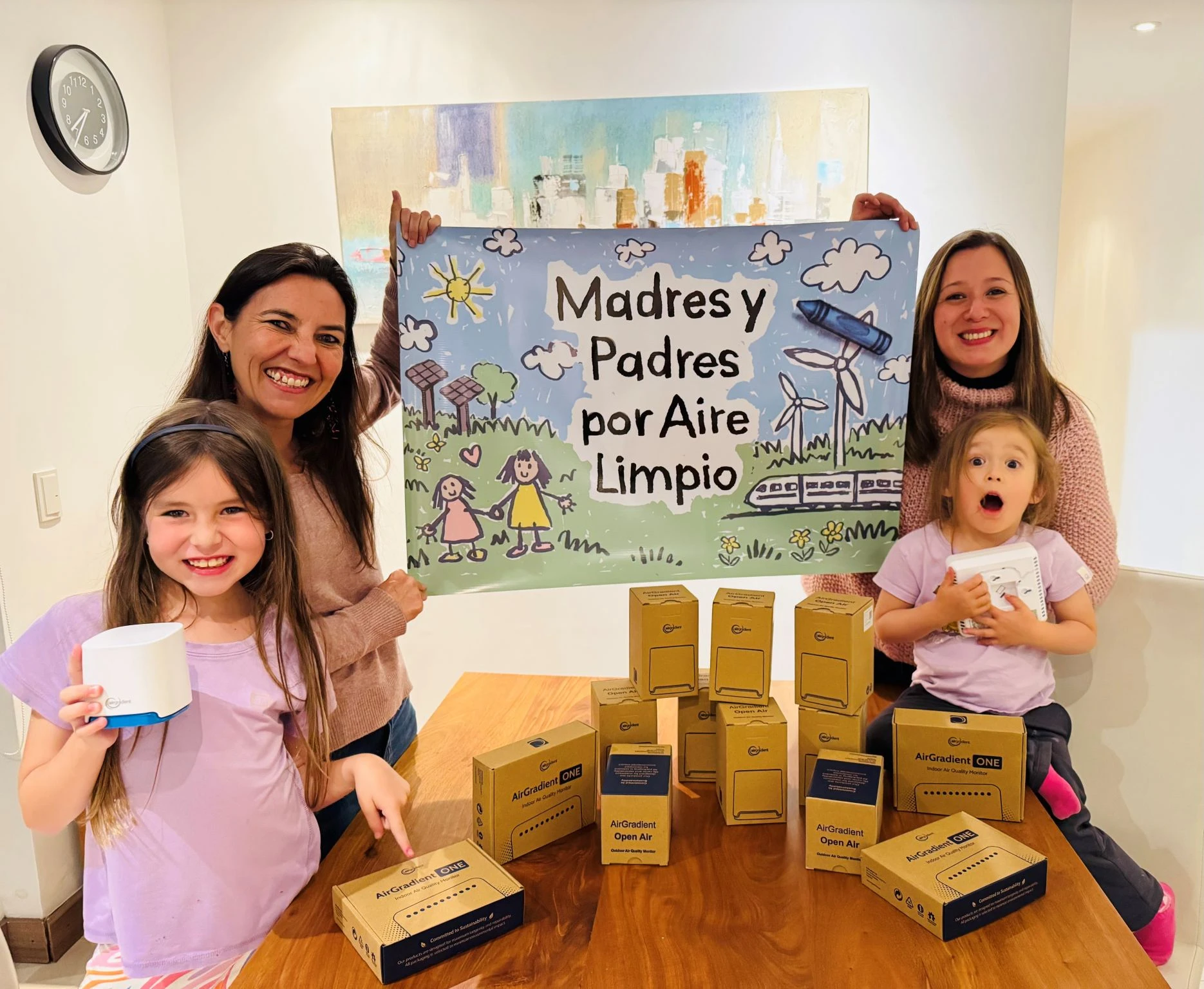
AirGradient has committed 5,000 monitors over five years to help communities build local air quality evidence. We are looking for partners who can put that equipment to sustained use.
Monitors-only support includes the monitors, international shipping, delivery, and customs-clearance costs. Additional financial support is limited and focuses on in-country transport and modest local deployment needs. The strongest projects are led by communities with volunteer networks, host locations, and local coordination capacity already in place.
This application route supports stationary outdoor air quality monitoring projects that produce consistent, publicly accessible data.
Who we support
Local knowledge is the starting point
We welcome interest from community groups, schools, citizen scientists, and research institutions. Funding-round eligibility will be set out in the published guidance.
A community need and a clear purpose
Describe the local air quality problem, where publicly available monitoring is missing or insufficient, and who would benefit from new evidence. Explain how the findings could support education, awareness, advocacy or local decisions. We welcome organisations close to the people affected by air pollution.
People who can sustain the work
Identify host locations, the people responsible for maintenance, and a practical plan for local coordination. The strongest projects have volunteer networks or local institutions ready to help.
Evidence for public benefit
Plan how you will involve your community and share findings through meetings, education, research, public dashboards or advocacy. Partners are expected to participate in training. Air quality data generated from donated monitors must be publicly accessible through OpenAQ and AirGradient.
What support can include
Equipment, guidance, and a practical start
Support is matched to the project and the resources available. Monitors-only support includes international shipping, delivery, and customs-clearance costs. Additional financial support is limited and focuses on in-country transport and modest local deployment needs.
Air quality monitors
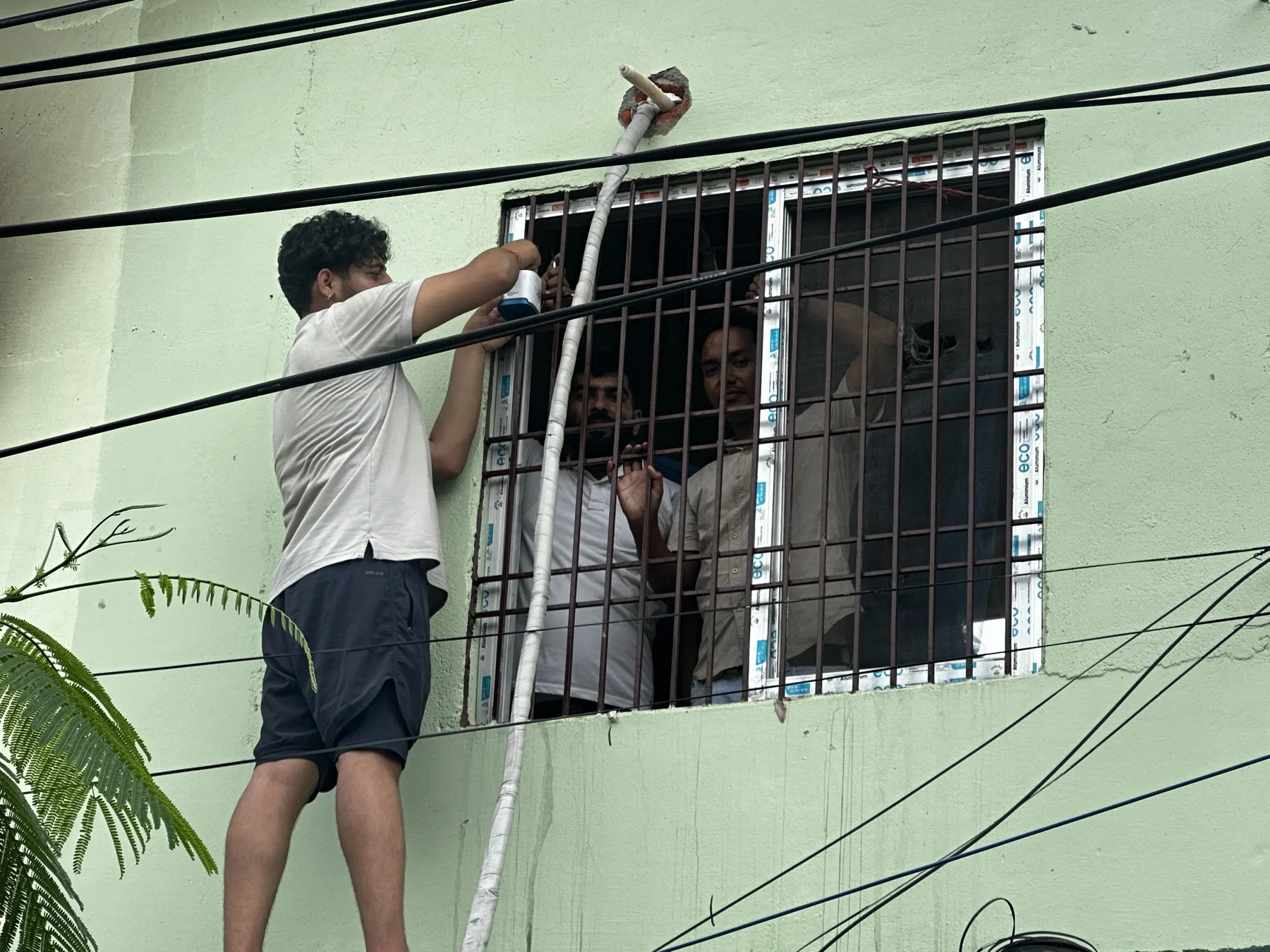
Request outdoor monitors suited to your proposed locations. Options in the application include Wi-Fi, cellular, and solar-powered cellular models. Describe each site’s power and connectivity so the equipment request reflects local conditions.
Technical and data support
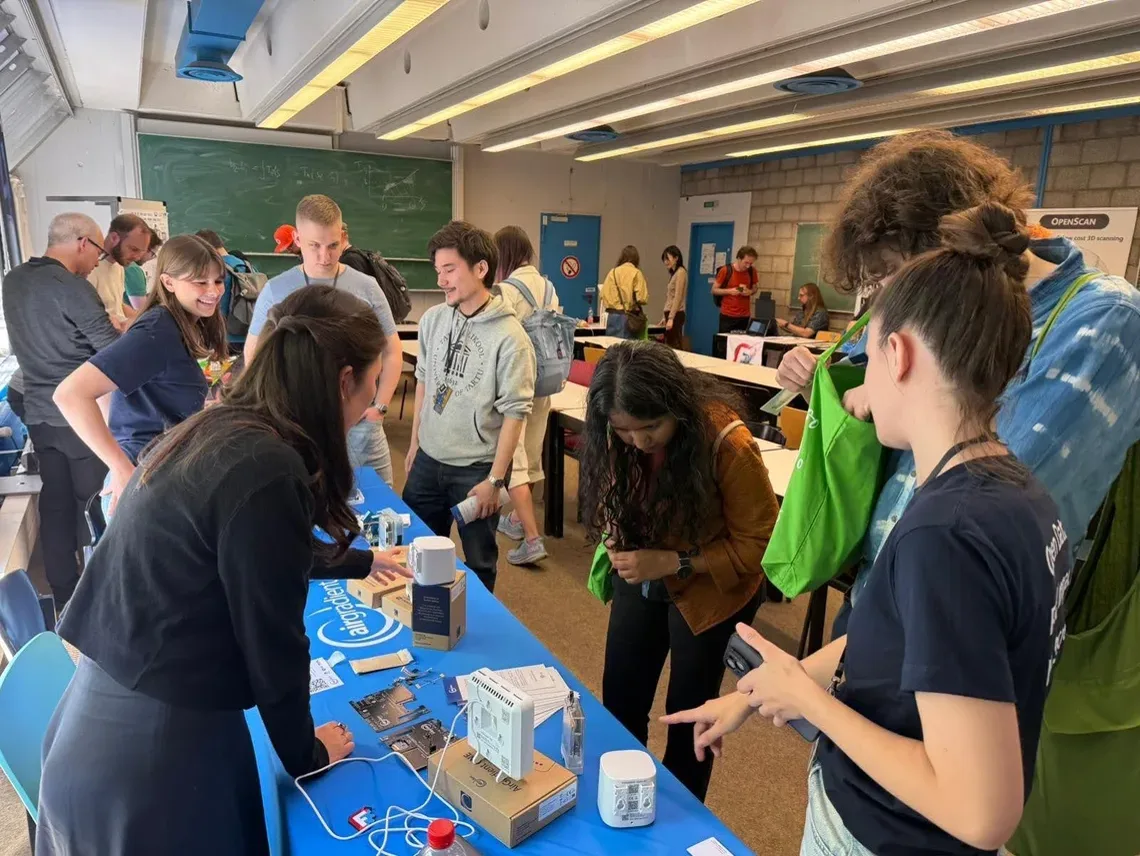
Technical experience is not required. OAF will offer three to four workshops based on the Air Monitoring Toolkit developed with UNDP, covering topics such as site selection, stakeholder engagement and air quality communication. Grant recipients are expected to participate. Support can also include setup, troubleshooting, maintenance and data interpretation.
Communications and advocacy support
OAF can help you interpret findings and communicate them to the people who can act on them. Explain the audiences you want to reach and how your project will turn monitoring into education, awareness or local action.
Deployment cost support
You can request monitors alone or monitors with financial support. Monitors-only support already includes international shipping, delivery, and customs-clearance costs. Additional funding is limited and focuses on in-country transport and modest local deployment needs. State the amount requested in USD and briefly explain what it will enable.
Prepare your application
Get ready to apply
You can start shaping your project before applications open. These steps will help you prepare for the next Community Grants round. Dates and final requirements will be announced when available.
Describe the local need
What air-quality problem do you want to address, who is affected, and what information is currently missing?
Explain how the findings will lead to action
Identify who will use the data, which decisions it could inform, and how you will share findings with your community.
Explore possible monitoring sites
Talk to potential hosts and record proposed locations, host names, permission status, power and Wi-Fi availability. Explain how you will secure any outstanding permissions and note which arrangements still need to be confirmed.
Outline the support you need
Estimate the number of monitors and any additional funding needed, explaining what that funding would enable.
Plan for lasting operation
Projects are expected to deploy monitors within 30 days of receipt and operate for at least three years. Describe installation, routine checks, maintenance and how you will respond to equipment or connectivity problems. If you need a different deployment timeline, explain why in your application. Consider how the project’s benefits will continue beyond the initial support.
Prepare a short introduction video
Prepare a roughly two-minute video introducing your team, the local air quality problem, your proposed project and the impact you hope to achieve. A simple phone recording is enough; no professional editing is needed. Use a link that OAF can watch without requesting access.
Plan for reporting and shared learning
Grant recipients provide quarterly progress reports and a final report, covering activities, data sharing, challenges and how the findings are being used. Plan to share project stories, photos or videos that help explain the community impact.
Technical experience is not required. The foundation provides training and support.
What happens after you apply?
Review, agreement and delivery
OAF reviews the project’s fit, the gap it fills in public air quality data, and the team’s ability to deliver. We may request clarification and arrange an interview. Successful applicants review and sign a grant agreement before equipment or funds are released. Equipment may arrive in stages, with later shipments dependent on deployment of the first batch.
Take the next step
Tell us about your community
Introduce your project and the support you need. Registering interest is not a formal grant application. Application dates and round-specific requirements will be published here.