
Data
Reliable local evidence
We support planning, deployment, and maintenance of open air quality monitors where public data is missing, so local partners can build trusted evidence.
The Open Air Foundation builds practical public infrastructure for airborne environmental health, helping under-monitored communities detect, understand, and protect themselves through low-cost open tools, trusted data, small grants, and implementation support.
The Missing Infrastructure Layer
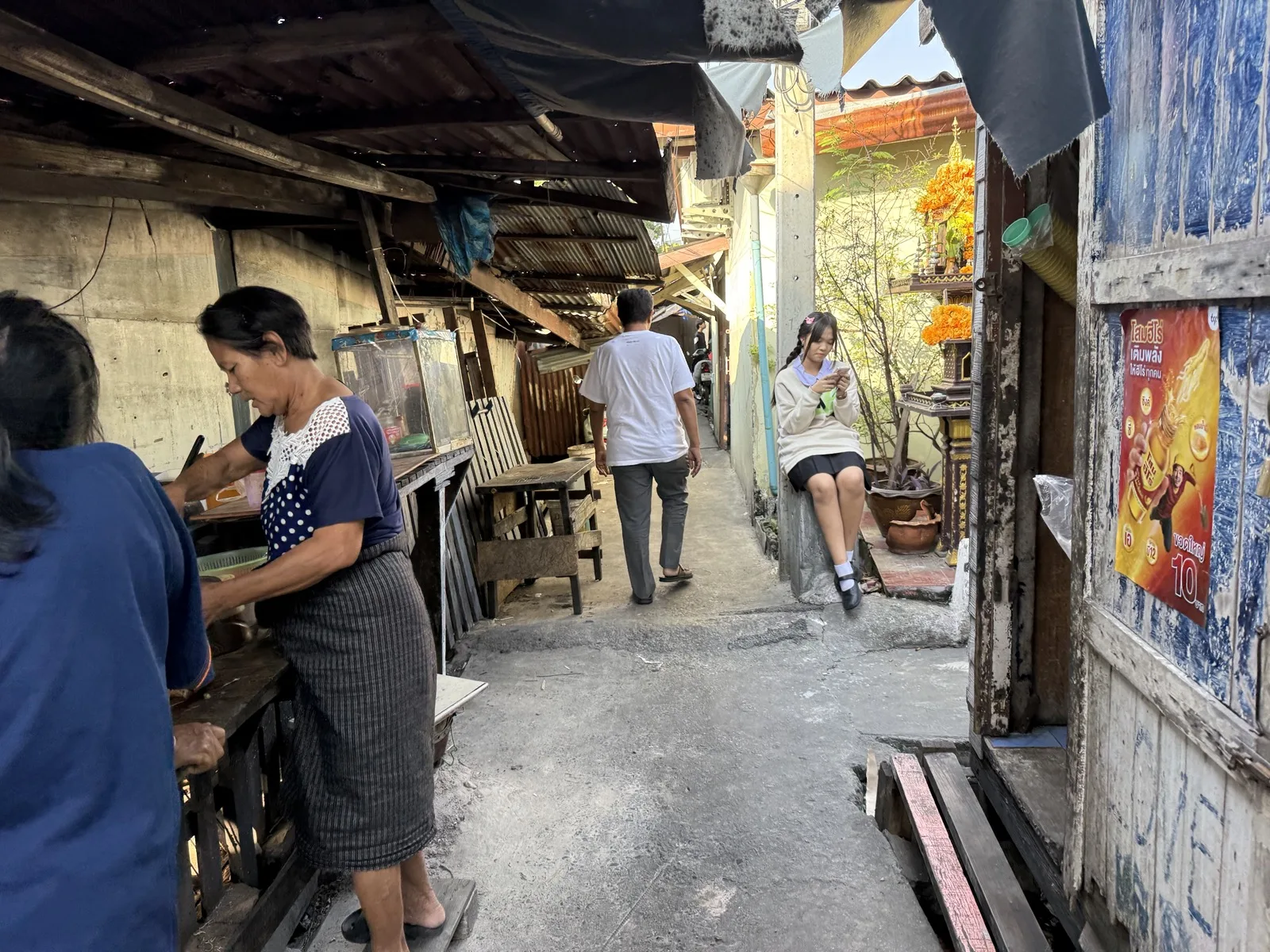
Every person breathes roughly 10,000 liters of air each day, but the ability to detect and reduce airborne risks to health is unevenly distributed. Air pollution, indoor air quality, ventilation, wildfire smoke, industrial emissions, dust, mold risk, environmental monitoring, and airborne biosafety are often treated as separate fields. Communities experience them through the same shared reality: the air they breathe at home, school, work, and in public spaces. The missing layer is practical public infrastructure: low-cost tools, trusted local data, open guidance, small grants, trained local partners, and protection methods that can be deployed where formal systems are absent or too slow.
Infrastructure Gap
Reliable local evidence
We support planning, deployment, and maintenance of open air quality monitors where public data is missing, so local partners can build trusted evidence.
Affordable open systems
Communities need low-cost monitor designs, firmware, dashboards, documentation, and deployment guidance they can inspect and reuse.
Training and stewardship
Local teams need interpretation support, communication materials, governance practices, and long-term maintenance capacity.
Implementation funding
Small grants make it possible to pay for shipping, installation, maintenance, local coordination, and protection pilots.
The Community Protection Journey
Airborne risks become actionable when communities can see them clearly, understand what the evidence means, and use that evidence to reduce exposure. OAF's work is organized around this journey from invisible risk to practical protection.
Make airborne hazards visible through low-cost open tools for outdoor and indoor air, including particulate pollution, smoke, dust, CO2, ventilation indicators, and other environmental signals.
Turn measurements into trusted local evidence through open data systems, dashboards, interpretation guidance, communication support, training, and responsible data governance.
Help communities reduce exposure through practical approaches for cleaner indoor air, filtration, ventilation, clean-air rooms, building protection, advocacy, and emergency-ready deployment.
Equity and Focus
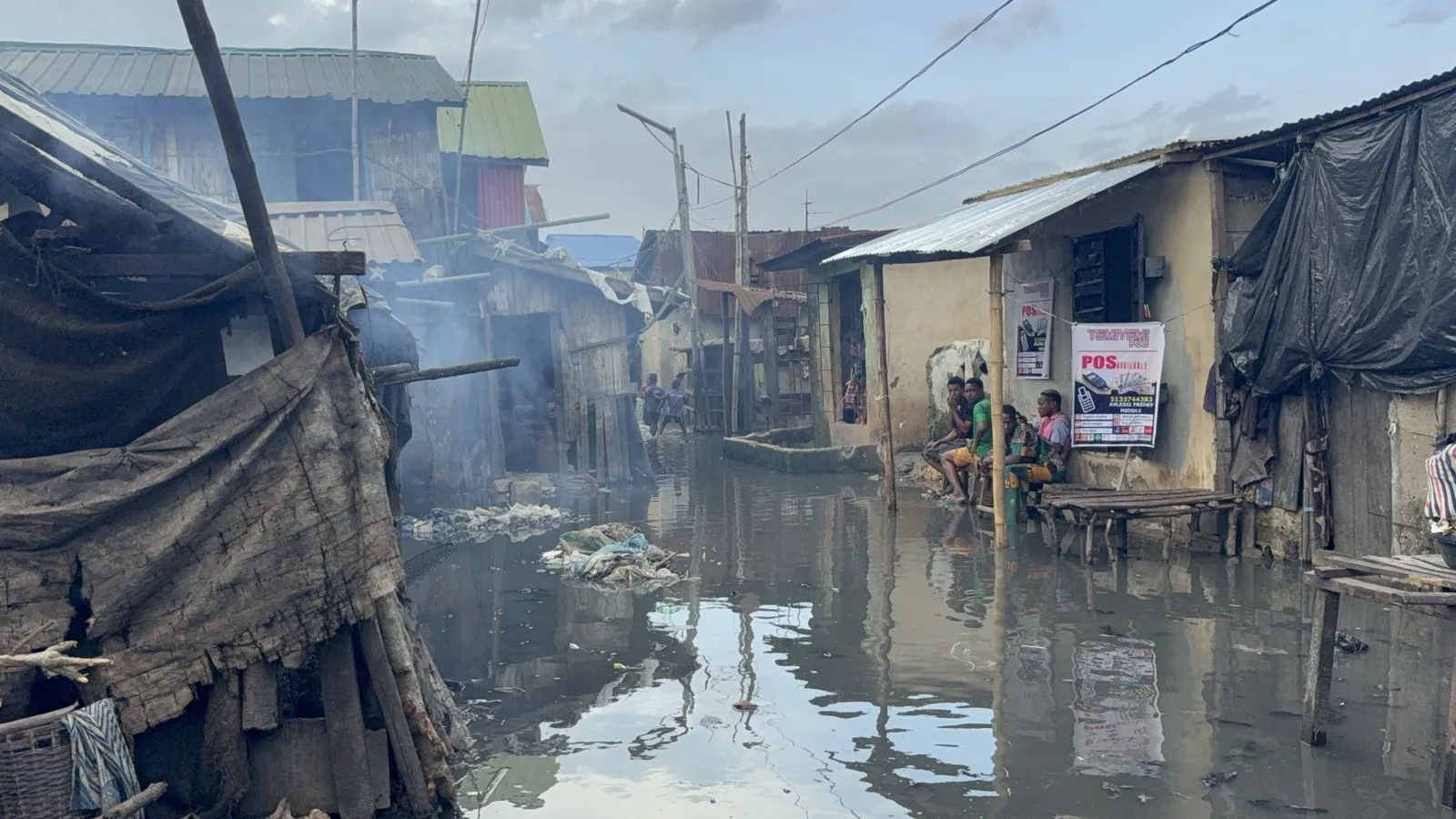
OAF focuses on under-monitored communities, especially in the Global South, because these are often the places where airborne risks are highest and practical protection infrastructure is most limited.
More than 90% of air-pollution-related deaths occur in low- and middle-income countries, yet many of these places have little or no publicly accessible local air quality data. The same communities often face overlapping risks from smoke, dust, poor ventilation, industrial pollution, and climate-driven emergencies.
The same infrastructure gap also matters when biological hazards emerge. During pandemics, outbreaks, or other airborne threat events, communities need practical environmental monitoring, ventilation assessment, and clear local guidance before formal systems can reach every school, clinic, workplace, or public space.
Public, hyperlocal monitoring changes the starting point. It gives communities, schools, health advocates, and decision-makers a shared evidence base for protection and action.
Read Our community storyWe are convinced that change comes from the bottom up
Airborne risks become actionable when communities can measure what they already see, smell, and breathe.
Theory of Change
When communities have access to low-cost open tools, trusted data, practical protection methods, and small grants to deploy them, they can move from invisible airborne risks to local action.
When their experience feeds back into shared infrastructure, every project makes future projects easier, cheaper, and faster to scale.
Affordable, auditable technology makes airborne risks visible without waiting for expensive formal systems. This includes open monitor designs, firmware, calibration and testing methods, deployment kits, and simple installation guidance for outdoor and indoor use.
Small grants, training, and technical support help local teams turn tools into real deployments by covering shipping, installation materials, local coordination, maintenance time, workshop costs, and early protection pilots.
Projects are installed and maintained in places where people live, learn, work, and gather, including outdoor pollution hotspots, classrooms, clinics, homes, public spaces, and emergency-response locations.
Open data, quality checks, dashboards, interpretation support, and responsible governance turn raw readings into evidence communities, researchers, schools, and decision-makers can use.
Evidence supports cleaner indoor air, filtration, ventilation improvements, clean-air rooms, school and clinic protection, smoke and dust response, public communication, advocacy, and emergency-ready deployment.
Each deployment shows what works, what fails in real conditions, what guidance is unclear, and what should improve in the shared hardware, software, data, and training infrastructure. Those lessons make future projects easier, cheaper, and faster to adapt in other under-monitored communities.

Open Source and Open Data
OAF is a builder and steward of practical public infrastructure. Where useful infrastructure exists, OAF maintains and improves it. Where important pieces are missing or disconnected, OAF builds them.
OAF now stewards open-source activities first initiated by AirGradient, including the world's most widely used open hardware air quality monitor design with public hardware schematics and firmware, a curated open public air quality map and API for general public use, and the first real-time global crowdsourced CO2 map.
One priority is a curated open environmental monitoring repository for both outdoor and indoor data, including air pollution, ventilation, thermal comfort, mold risk, human exposure, and protection interventions. This can accelerate research and make environmental evidence more accessible for public benefit.
Open source and open data do not mean careless sharing. Indoor and institutional projects need responsible governance, privacy-aware design, transparent tools, and clear public-interest purpose.
Where strong open data initiatives, research platforms, or community data stewards already exist, OAF will collaborate with them rather than duplicate their work. The goal is to connect missing pieces and strengthen shared infrastructure.
Shared Airborne Risk Infrastructure
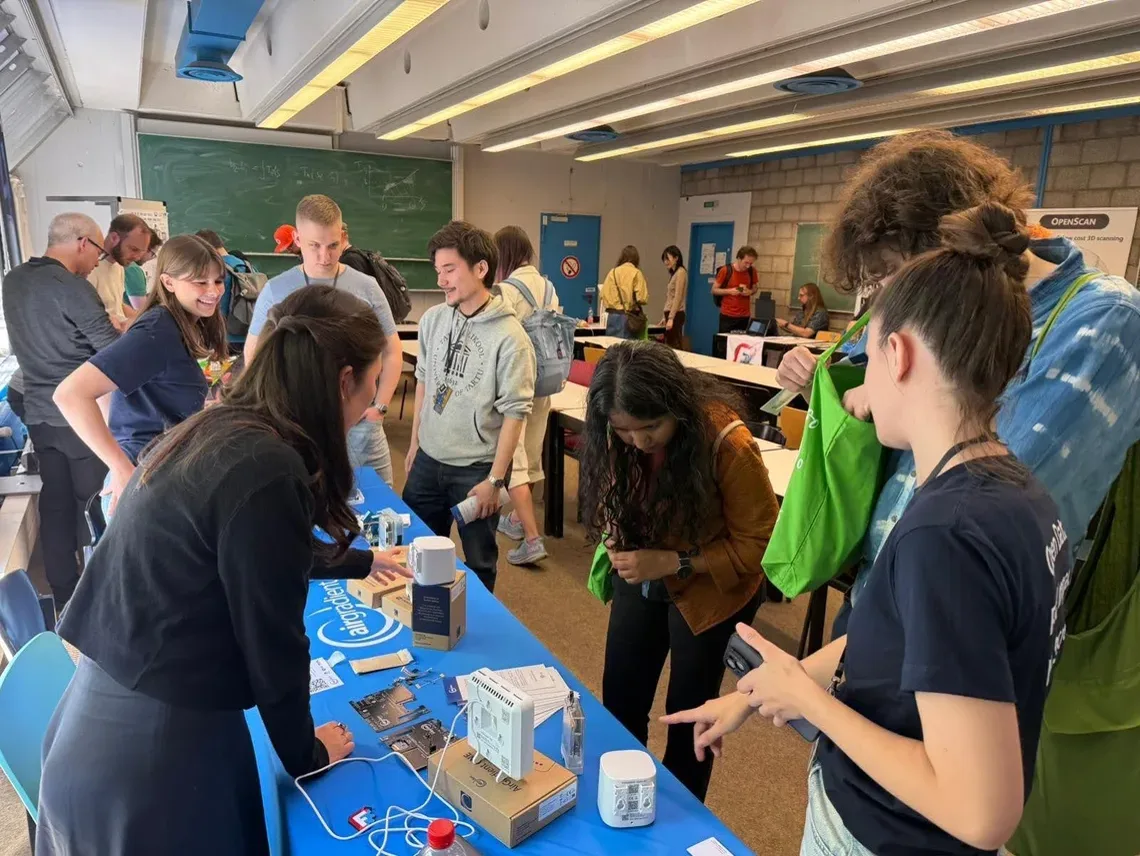
The same tools that help communities understand everyday air pollution can also support healthier buildings, ventilation assessment, environmental monitoring, and preparedness for future airborne threats.
OAF treats biosafety as part of a broader airborne environmental health infrastructure. Indoor air, ventilation, humidity, thermal comfort, mold risk, smoke, dust, and airborne pathogens all shape health in homes, schools, clinics, workplaces, and public spaces.
Using the same open tools and data systems creates large cross-benefits: outdoor monitoring strengthens indoor assessment, building data improves exposure research, ventilation knowledge supports biosafety, and emergency deployments improve everyday preparedness.
This avoids a siloed air pollution plus biosafety model. It makes OAF a bridge across the whole airborne environmental health field.
From Measurement to Protection
OAF's work does not stop at monitoring. Trusted local evidence should help communities reduce exposure through practical, affordable approaches: cleaner indoor air, filtration, ventilation improvement, clean-air rooms, school and clinic protection, smoke-event response, building protection, and public advocacy.
The same tools should be useful in everyday conditions and simple enough to deploy quickly when airborne hazards become urgent, including wildfire smoke events, industrial pollution incidents, dust episodes, infectious disease outbreaks, school ventilation crises, and post-disaster air quality risks.
Support Beyond Equipment
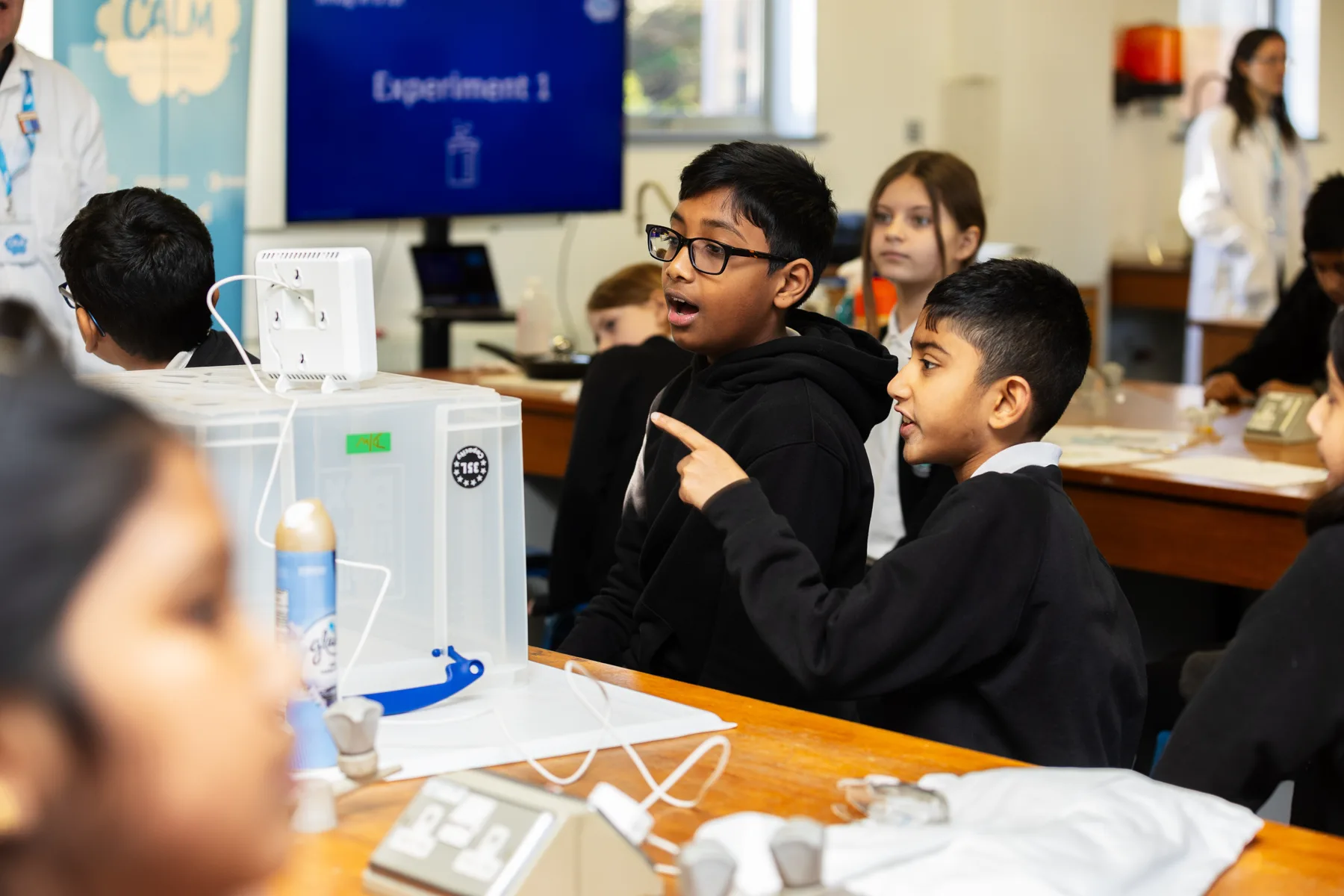
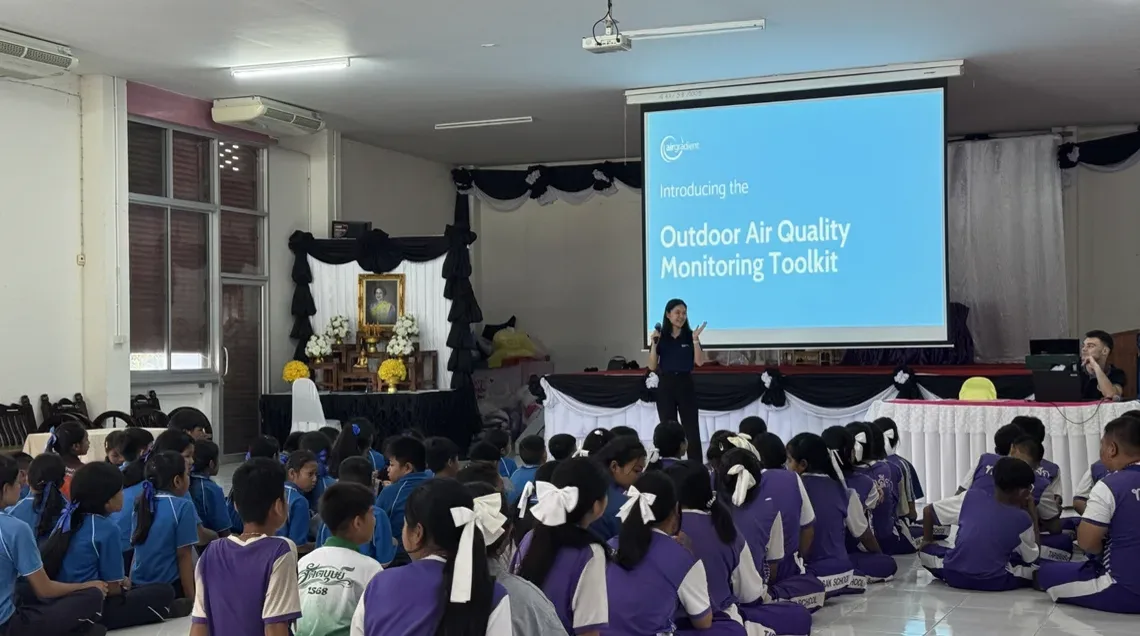
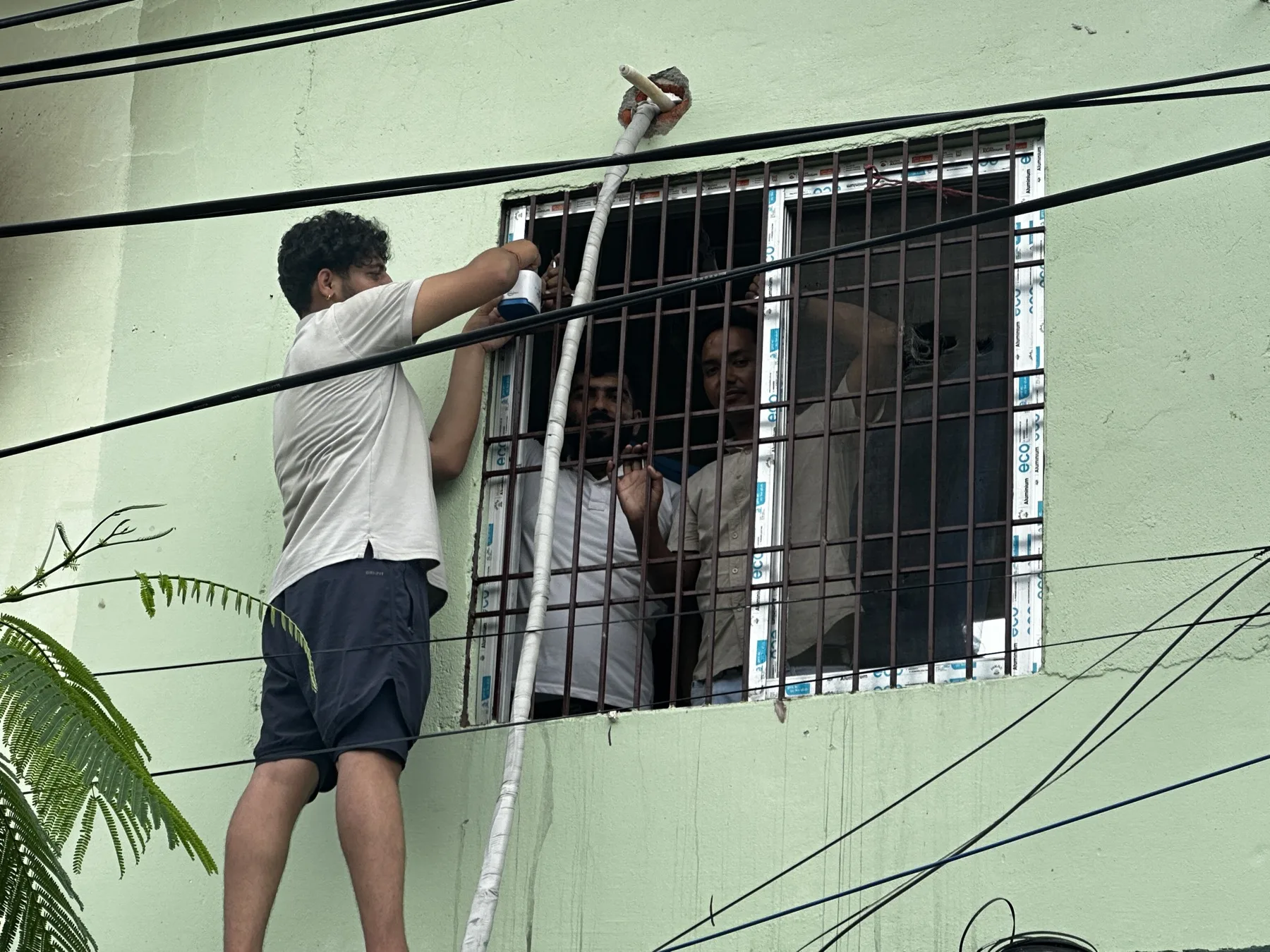
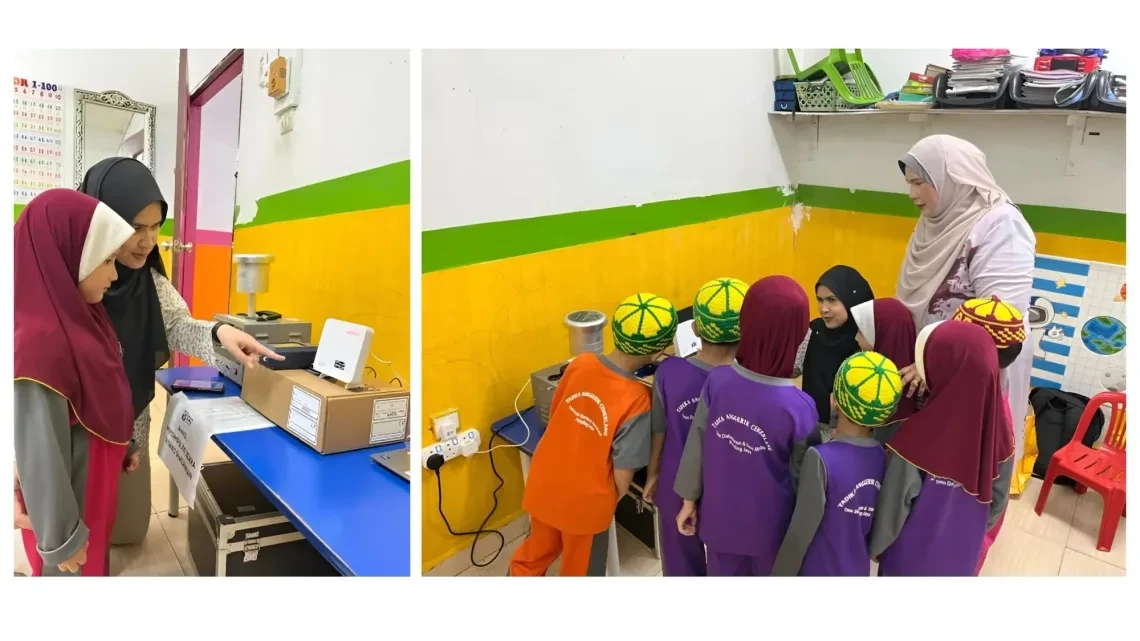
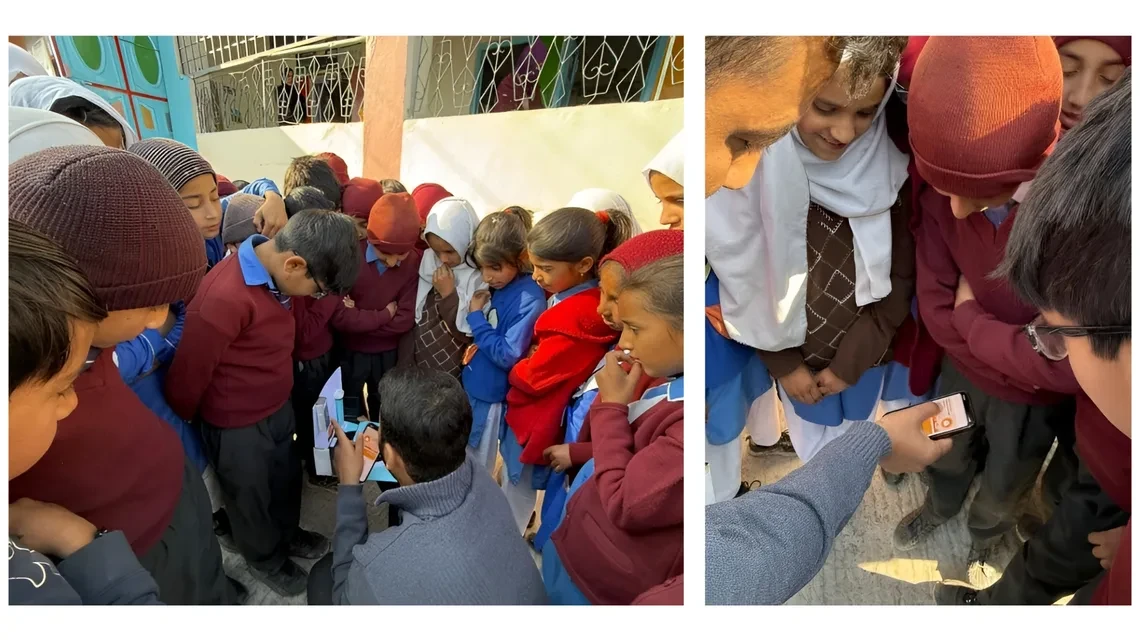
Through small grants, training, technical support, and access to open monitoring tools, OAF helps local partners deploy practical airborne environmental health solutions in real-world community settings.
These projects are focused on implementation: generating trusted local evidence, piloting protection measures, building local capacity, and providing feedback that improves the shared infrastructure for others.
We support planning, setup, troubleshooting, maintenance, and the practical skills needed to keep deployments useful over time.
We help partners interpret data, communicate risks, run awareness activities, and use evidence in education, advocacy, and public action.
We support responsible public-interest data practices, especially when projects involve indoor spaces, institutions, or research partnerships.
We design support around local partners who can maintain networks, involve communities, and keep knowledge circulating after deployment.
Public-Interest Base
OAF builds on the open-source infrastructure developed by AirGradient, including open hardware designs, software, firmware, and the Open Source Air Quality Monitoring Toolkit developed with the UNDP Global Centre.
AirGradient's open-source monitors are already used by 50,000+ people in 90 countries. AirGradient has committed 5,000 air quality monitors and USD 100,000 to help launch OAF, giving the foundation a practical base for community deployment.
OAF's role is to build and steward this public-interest infrastructure over the long term: maintaining what works, improving what is missing, supporting local implementation, and making the tools more useful for under-monitored communities.
Funding Pathways
Community deployment funding can support small grants, shipping, installation, maintenance, partner training, public communication, local advocacy, and protection pilots.
Open infrastructure funding can support open hardware, software, firmware, environmental monitoring data systems, curated repositories, documentation, testing, governance, toolkits, capacity building, and long-term stewardship.
Airborne environmental health and preparedness funding can support environmental monitoring pilots, ventilation assessment, building protection, clean-air rooms, filtration, and emergency-ready deployment kits for homes, schools, clinics, workplaces, and public spaces.
Where We Fit
We are not replacing national policy programs, research funders, public health agencies, or local NGOs. We sit between these systems, helping open technology and airborne environmental health data become useful in real places.
Our role is to combine monitoring access, open source and open data, small grants, research partnerships, communication support, and practical protection methods.
When useful tools or solutions do not yet exist, OAF will develop them itself or with partners, then keep them open, documented, and reusable for others.
This lets local organizations create evidence, understand it, communicate it, and use it in education, advocacy, research, policy conversations, and direct exposure reduction.
By funding OAF, philanthropy can help build the missing public infrastructure layer between airborne environmental health science and practical community protection. OAF exists to make airborne environmental health solutions practical, affordable, and available where they are needed most.


